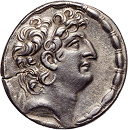
Emissione: 1937, Opus von K. Goetz, Rif. bibl. Kienast, 538; gr. 19,08, (MV27680), Diam.: mm. 36,05, FDC, (NC)
Germania, HANS VON TSCHAMMER, MEDAGLIA, Emissione: 1937, D/ • HANS • VON • TSCHAMMER • VND • OSTEN •, busto a s., in basso, sotto il troncamento del collo: K•GOETZ, R/ DER • REICHSSPORT FVHRER, aquila a s. volta a d. su ramo di quercia. In basso svastica, Opus von K. Goetz, Rif. bibl. Kienast, 538; gr. 19,08, (MV27680), Diam.: mm. 36,05, FDC, (NC)
Nel bordo BAYER. HAUPTMÜNZAMT. FEINSILBER. era una figura al più disinteressata allo sport, egli riuscì a vedere proprio nello sport l'obbiettivo "per migliorare il morale e la produttività dei lavoratori tedeschi". Le abilità sportive divennero un criterio di valutazione scolastica così come un criterio di ammissione necessario per certi lavori e per l'università. Dopo l'ascesa di Hitler von Tschammer decise quindi di sciogliere il DRA, definendolo un'"entità borghese" ed il 5 maggio 1933 egli si preoccupò di rifondare l'organizzazione in Deutscher Reichsbund für Leibesübungen (DRL), un organismo molto più orientato a favore della politica nazista.
Von Tschammer fu un attivo e abile promotore degli sport della Germania nazista: egli istituì l'attuale coppa federale tedesca e sovrintese alla pubblicazione di Sport und Staat (Sport e Stato), una massiccia opera in quattro volumi di propaganda nazista sull'importanza dell'organizzazione delle attività sportive e sul modo di essere condotte nel Terzo Reich. Sport und Staat venne scritto da Arno Breitmeyer e corredato da fotografie del fotografo personale di Hitler, Heinrich Hoffmann. Questo volume fornisce ancora oggi informazioni su diverse organizzazioni quali SA, NSKK, Bund Deutscher Mädel, Hitler Jugend. Stampato nel 1934, vennero però pubblicati solo i primi due.
L'ideale sportivo nazista seguiva quanto espresso da Friedrich Ludwig Jahn, il "padre degli esercizi fisici", il quale coniugava il detto "mens sana in corpore sano" al rafforzamento della Germania dopo la prima guerra mondiale. Altro fattore decisivo fu la politica razzista che esaltava la superiorità fisica ariana rispetto alle altre razze. Hans von Tschammer und Osten creò anche il festival nazionale degli sport del quale fu organizzatore apparendovi sovente anche come spettatore.
Le Olimpiadi estive di Berlino si tennero durante la reggenza di von Tschammer come Reichssportführer. Egli strutturò i giochi olimpici assieme a Carl Diem, che era capo del Deutscher Reichsausschuss für Leibesübungen (DRA). Von Tschammer credeva fortemente anche nell'organizzazione dei giochi olimpici invernali del 1936 che programmò con Karl Ritter von Halt, il quale venne poi nominato presidente della commissione di organizzazione dei giochi. Von Tschammer venne successivamente accusato per aver messo un divieto di partecipazione alle squadre non ariane, condannando questo fatto alla violazione di una delle regole etiche fondamentali dei giochi olimpici, ovvero la loro internazionalità.
Malgrado il ruolo delle Olimpiadi per l'epoca, von Tschammer non fu mai membro del Comitato Olimpico Internazionale. Nel 1937 Karl Ritter von Halt venne eletto alla carica di membro del Comitato Esecutivo al suo posto. Quando fervevano i preparativi per l'attuazione delle principali operazioni della seconda guerra mondiale, von Tschammer morì di polmonite a Berlino nel 1943. (Da Wikipedia)
Tutte le monete, medaglie e banconote vendute dalla Moruzzi Numismatica di Roma sono garantite autentiche senza limite di tempo e accompagnate dal “Cartellino” con QR code e dal “Certificato fotografico di Autenticità e Provenienza”.
One important aspect that determines the value of a coin is the correct grading of it. For this reason we study the techniques of production, carefully analyzing each exemplar by powerful lenses and microscope if necessary.
We use the European system of grading for our coins, ranging from VG (Very Good) to BU (Brilliant Uncirculated).
Shown below is the system adopted with a brief description for each grade.
VG Very Good · F Fine · VF Very Fine · EF Extremely Fine · BU Brilliant Uncirculated.
Proof isn't properly a grade but a special method of production. In the histogram present in the data sheet of each exemplar is graphically reported the level of the grade. It's adopted a grading in seventieths to help the Asian and American collectors accustomed to the Sheldon Grading System.
Another notable aspect in determining the value of a coin is the rarity. Coins have been produced in great quantity since ancient times and, being "industrial products", they're often common objects. But in many cases, this isn't true.
There are exemplars very difficult to find; in some cases, the rarity is subordinated to the big demand of collectors for certain symbolical issues (e.g. the coins of Julius Caesar). In the histogram, the level of rarity of the item is graphically reported in percentage, from a low percentage for very common coins (C) to 100% for extremely rare ones (RRRRR).
C Common · NC Not common · R Rare · RR Very rare · RRR Particularly rare · RRRR Extremely rare · RRRRR Of the greatest rarity.
Also the quality and the visual aspect of a coin's metal is a key factor in rating it. The metal of a coin can be damaged by the time goes on. Sometimes the defects can be caused by the low quality metal used during the minting process, or by an improper cleaning or a bad restoration.
Another aspect examined in this parameter is the patina, if present. With time, a thin layer can appear on the surface of a coin. An old collection patina can increase the charm of a coin and its value. The original old patinas attract the collectors. We remark the adjective original because in many cases the patinas are artificial. Artificial patinas or modern oxidations will result in a lower rating. Aggressive polishing can damage the metal of a coin causing a low rating.
For the ancient coins, the style of the coin dies used for the minting is really important.
Coins with a coarse style will receive a low rating in the histogram. Otherwise, coins with a fine style will receive a higher evaluation up to the maximum for the most artistic ones.
In the evaluation of the coins, especially the hammered ancient ones, it is very important to examine deeply the process of production and the materials used.
Exemplars minted in a large, not fractured flan and well centered will receive a high rating. Coins with high reliefs will receive a high evaluation reported in the histogram.
On the contrary, exemplars with damaged flan, not centered and with low reliefs will receive a lower rating. The same importance is reserved for the production with not worn out or not rusted coin dies.
Another significant element to take in consideration when determining the value of a coin is the provenance or pedigree, that is the certification of the various passages of the coin in the numismatic market and collections.
A coin with an old provenance, sold in prestigious auctions (Santamaria, Leu, Frank Sternberg et al.) or displayed in important collections (A. Moretti, A. Magnaguti, S. Pozzi etc.), will receive a higher percentage in the histogram than another one with a more recent or less prestigious pedigree.
All the coins offered by Moruzzi Numismatica have an absolutely legal provenance registered in the Italian authorities' lists.