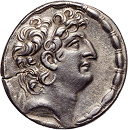
NERONE, 54-68 d.C., SESTERZIO, Emissione: 65 d.C., Zecca di Lugdunum, Rif. bibl. R.I.C., 437; Cohen, 84; Cayon, 105; Metallo: AE, gr. 26,26, (MR142768), Diam.: mm. 35,68, qBB
Ex collezione Filippo Rocchi.
Impero Romano, NERONE, 54-68 d.C., SESTERZIO, Emissione: 65 d.C., D/ NERO CLAVD CAESAR AVG GER P M TR P IMP P P, testa laureata a sinistra, R/ DECVRSIO, S C, Nerone a sinistra con la lancia nella destra seguito da un cavallo, Zecca di Lugdunum, Rif. bibl. R.I.C., 437; Cohen, 84; Cayon, 105; Metallo: AE, gr. 26,26, (MR142768), Diam.: mm. 35,68, qBB
Ex Collezione Filippo Rocchi.
Il prof. Filippo Rocchi era nato a Roma nel 1900 da una famiglia di antiche tradizioni nel campo della medicina: medico il padre, chirurgo il nonno, lui stesso grande clinico e padre poi a sua volta di due medici, un chirurgo ed un internista.
La tradizione familiare che portò Filippo Rocchi a divenire in età matura cattedratico di Malattie Infettive presso la facoltà di medicina di Roma e Primario di Medicina Interna all’Ospedale Fate Bene Fratelli, si aggiunse una importante carriera nell’ambito della Città del Vaticano con la nomina ufficiale del papa Giovanni XXIII ad Archiatra pontificio.
Accanto tuttavia alle sue doti innegabili di grande clinico il prof. Rocchi ha sempre dimostrato una grande bontà d’animo, un profondo senso di onestà, di equità e una grande affabilità e gentilezza di modi non disgiunta da uno spiccato senso dell’umorismo e dell’ironia tipica delle vecchie famiglie romane. Il suo carattere ricco di bonomia spontanea, la sua conversazione densa di richiami e di aneddoti, il suo spirito critico e pungente ne facevano il punto di convergenza di cordiali amicizie romanesche.
Anche se per breve tempo, fece parte della storica e famosa associazione culturale "Gruppo dei Romanisti".
Il suo senso del bello lo portava anche, nei pochi momenti di svago, ad interessarsi di arte e di storia da cui le sue diverse collezioni raccolte con amore e vivo interesse. Tra queste la collezione di monete che spazia nel tempo e pur non presentando percorsi specifici, rappresenta soprattutto il suo amore per la Roma antica e per la storia del nostro paese. Il suo amore per Roma ha infatti ispirato l’unico titolo che sia suo padre che lui stesso, che suo figlio, mancato nel 2020, hanno voluto per il loro necrologio: Filippo Rocchi, Medico Romano.
Tutte le monete, medaglie e banconote vendute dalla Moruzzi Numismatica di Roma sono garantite autentiche senza limite di tempo e accompagnate dal “Cartellino” con QR code e dal “Certificato fotografico di Autenticità e Provenienza”.
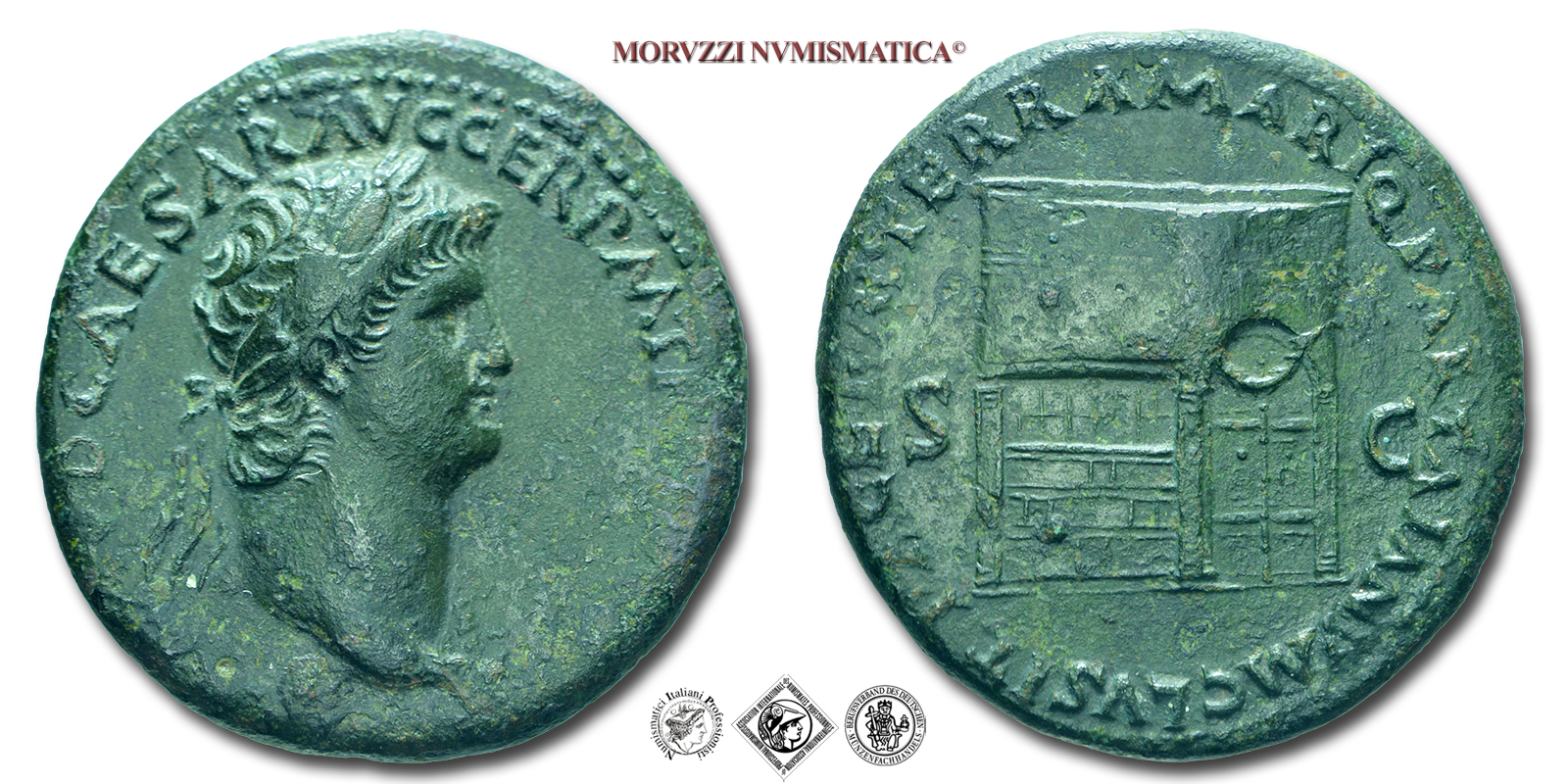
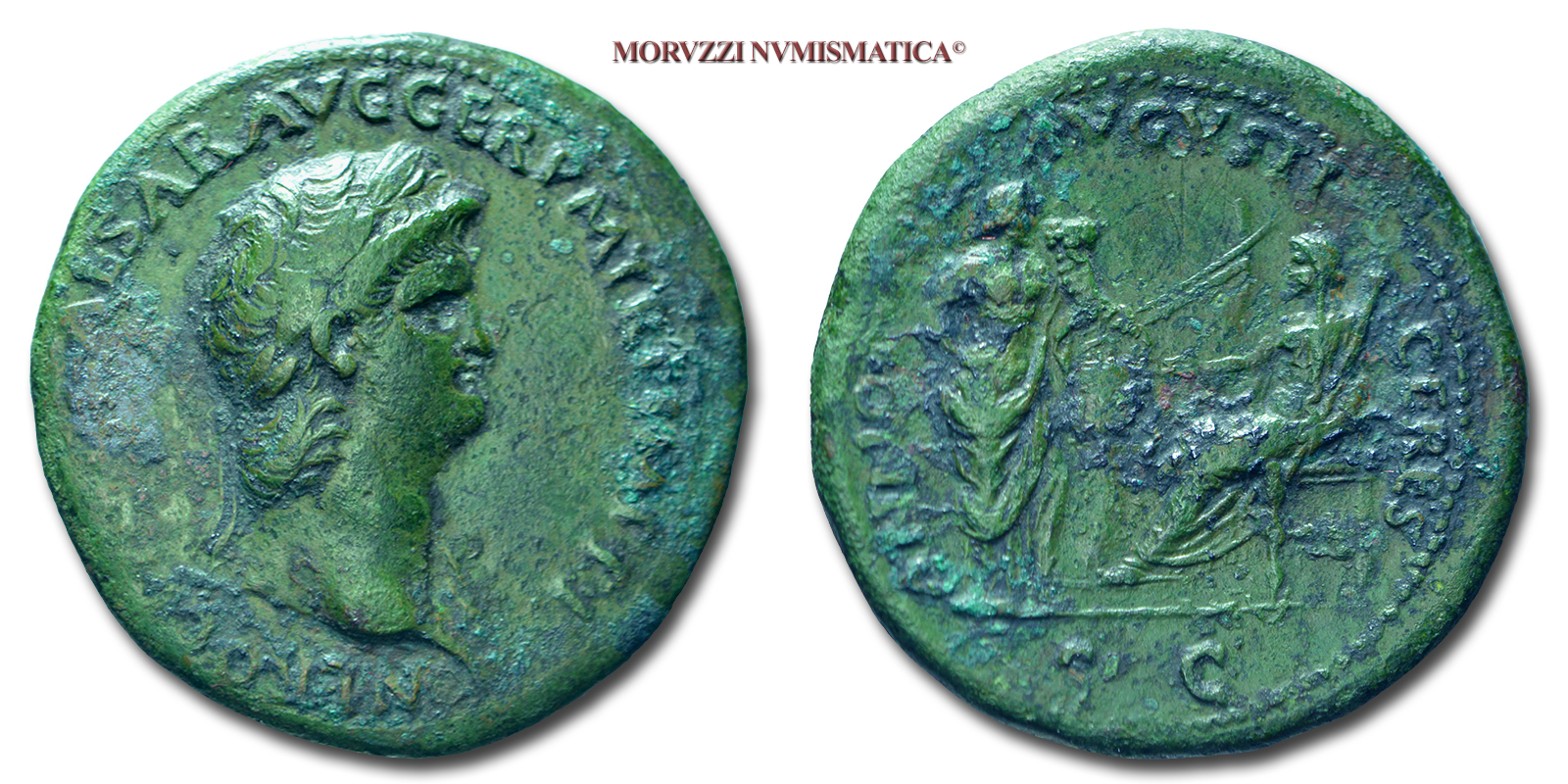
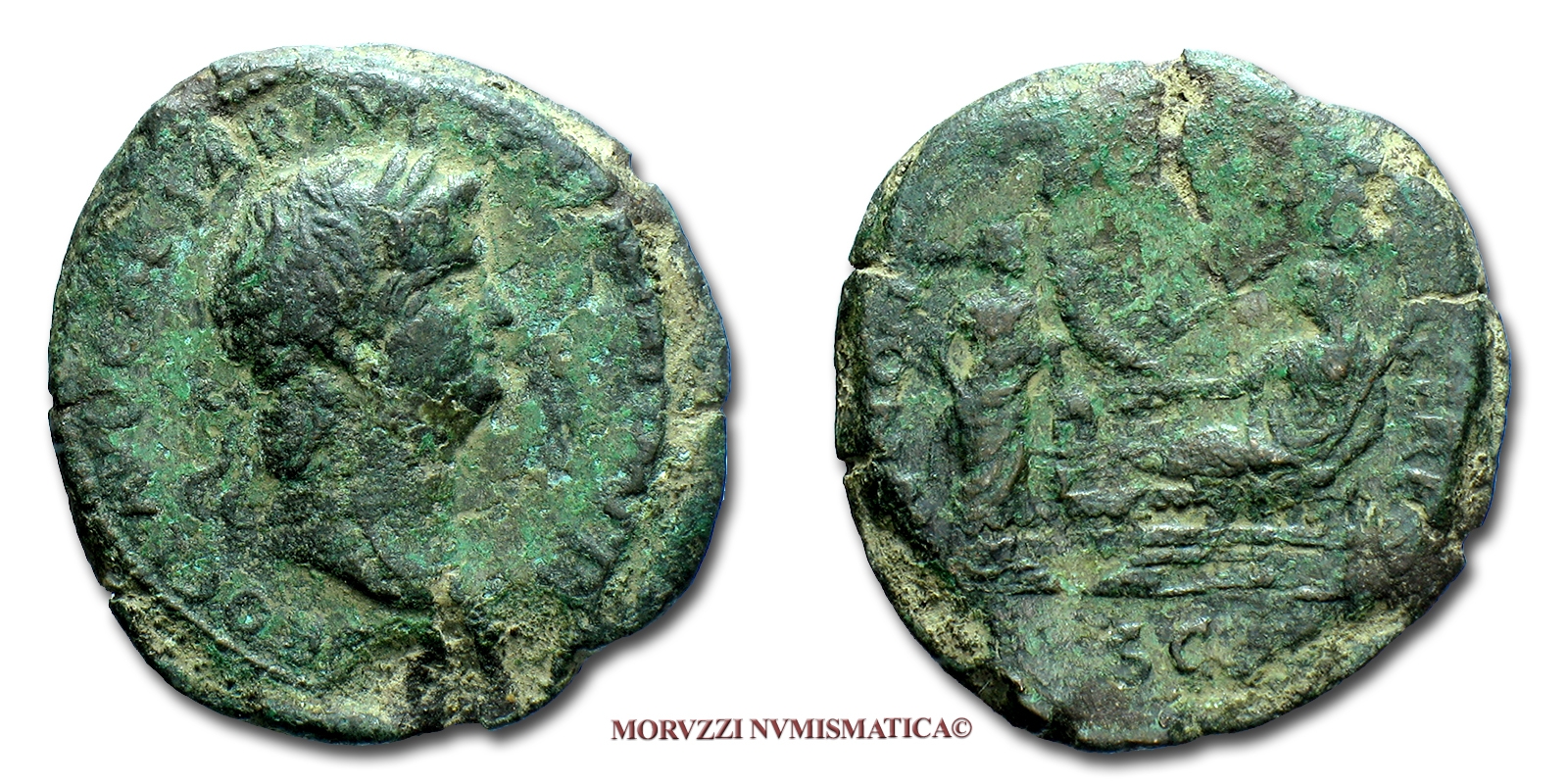
One important aspect that determines the value of a coin is the correct grading of it. For this reason we study the techniques of production, carefully analyzing each exemplar by powerful lenses and microscope if necessary.
We use the European system of grading for our coins, ranging from VG (Very Good) to BU (Brilliant Uncirculated).
Shown below is the system adopted with a brief description for each grade.
VG Very Good · F Fine · VF Very Fine · EF Extremely Fine · BU Brilliant Uncirculated.
Proof isn't properly a grade but a special method of production. In the histogram present in the data sheet of each exemplar is graphically reported the level of the grade. It's adopted a grading in seventieths to help the Asian and American collectors accustomed to the Sheldon Grading System.
Another notable aspect in determining the value of a coin is the rarity. Coins have been produced in great quantity since ancient times and, being "industrial products", they're often common objects. But in many cases, this isn't true.
There are exemplars very difficult to find; in some cases, the rarity is subordinated to the big demand of collectors for certain symbolical issues (e.g. the coins of Julius Caesar). In the histogram, the level of rarity of the item is graphically reported in percentage, from a low percentage for very common coins (C) to 100% for extremely rare ones (RRRRR).
C Common · NC Not common · R Rare · RR Very rare · RRR Particularly rare · RRRR Extremely rare · RRRRR Of the greatest rarity.
Also the quality and the visual aspect of a coin's metal is a key factor in rating it. The metal of a coin can be damaged by the time goes on. Sometimes the defects can be caused by the low quality metal used during the minting process, or by an improper cleaning or a bad restoration.
Another aspect examined in this parameter is the patina, if present. With time, a thin layer can appear on the surface of a coin. An old collection patina can increase the charm of a coin and its value. The original old patinas attract the collectors. We remark the adjective original because in many cases the patinas are artificial. Artificial patinas or modern oxidations will result in a lower rating. Aggressive polishing can damage the metal of a coin causing a low rating.
For the ancient coins, the style of the coin dies used for the minting is really important.
Coins with a coarse style will receive a low rating in the histogram. Otherwise, coins with a fine style will receive a higher evaluation up to the maximum for the most artistic ones.
In the evaluation of the coins, especially the hammered ancient ones, it is very important to examine deeply the process of production and the materials used.
Exemplars minted in a large, not fractured flan and well centered will receive a high rating. Coins with high reliefs will receive a high evaluation reported in the histogram.
On the contrary, exemplars with damaged flan, not centered and with low reliefs will receive a lower rating. The same importance is reserved for the production with not worn out or not rusted coin dies.
Another significant element to take in consideration when determining the value of a coin is the provenance or pedigree, that is the certification of the various passages of the coin in the numismatic market and collections.
A coin with an old provenance, sold in prestigious auctions (Santamaria, Leu, Frank Sternberg et al.) or displayed in important collections (A. Moretti, A. Magnaguti, S. Pozzi etc.), will receive a higher percentage in the histogram than another one with a more recent or less prestigious pedigree.
All the coins offered by Moruzzi Numismatica have an absolutely legal provenance registered in the Italian authorities' lists.